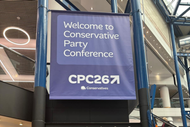
A conference for a party pulling together again
By Robin Walker, Director
Kemi Badenoch has united her party. In fact, for well over a decade no Conservative leader has been able to speak at conference with any level of certainty that they are not being plotted against. In Birmingham this week, MPs, councillors, aspirant candidates and activists were all clear that whatever the question, Kemi was the answer.
This is both a challenge and an opportunity.
For a party previously and repeatedly ravaged by factionalism, it is a relief. An escape from an atmosphere that has undermined so many leaders in the past. This newfound harmony offers the party a chance to set out a clear pro-business message, contrasting, in its view, a common-sense approach to growth with what it sees as Andy Burnham’s yearning for a dewy-eyed version of 1970s Britain.
This harmony may also allow for a leader who has had her critics and doubters to set her stamp on not just the main party of opposition but the national political debate. It is a challenge because it left little space for her Shadow Cabinet to set out their own stalls and remarkably little for the battle of ideas that has often defined conferences of opposition parties in the past.
The publication, but also the welcome for, her own prescription for national renewal – ‘Kemistry’ reflects the near universal opinion heard on the fringes, and across the bars and corridors of the ICC, that Kemi is setting the right agenda. The first tentative signs of a recovery in the party’s polling since a punishing 2024 election result have earned her the opportunity to set out her case.
When she talks about security and defence, jobs for the young, growth and efficiency she has the courage of her convictions, enough experience of Government to sound credible and enough distance from her predecessors not to be tarred with all the blame they carry. When other members of her senior team speak, they do so as a supporting cast, and if businesses who attended conference left little the wiser about details of policy for individual Government departments, they at least left with a clear indication of the direction of travel. A direction that many businesses might welcome.
Those immersed in the world of policy may query some of the costings and assumptions of proposals to bring arm’s length bodies such as the Environment Agency and Natural England back into the struggling Departments from which they were pulled, but the public are unlikely to worry too much about the fate of so called non-departmental public bodies. What the Conservatives will hope is that they cannot be branded as attacking what they do if they propose another way of doing it. Activists in other parties will set to work trying to brand exactly the opposite. Likewise, many will welcome prioritisation and simplification of childcare support, more apprenticeships and tax cuts for business. Fewer will oppose the idea that this can be funded by cutting welfare, except for those it directly affects.
Noises off on these matters or on the triple lock were minor and apologetic. The overwhelming message from conference was a new confidence, a feeling that Reform have peaked and that Labour are defining a two-party battleground on which Conservatives can once again win.
The brilliantly conceived and humorously put together Birmingham Tapestry will appeal to members and true believers, providing a greatest hits of two painful years that Andy Burnham would prefer people forget under Labour, whilst highlighting a series of successful interventions which have put a Conservative leader back into contention. A smart touch was to stitch into the tapestry a series of prominent political journalists, practically guaranteeing that they and their amused colleagues write or broadcast on it.
The main debate at conference was whether there will be an election next year, or even, in some people’s minds, later this one, or whether the party has three more years to build. So loud and clear was the message from the front bench that an election could be imminent, it begs the question whether it is something that they are deliberately fending off. Kemi’s language of a coming fight reflects both her reputation as a combative performer and her rising confidence that she is a serious contender in that fight.
For a party that carries so many wounds, pulling together is a start. Getting a decent hearing is a step forward, but winning a General Election still feels some way off. To do that they will have to win back voters not just from Reform and Labour but from the Liberal Democrats, the Greens and disgruntled former conservatives sitting as independents. She set out clear Tory blue water between herself and Reform, showing compassion for their voters but no mercy to their leadership or politicians. It was striking. from an audience of whom many would have argued for a pact a year ago, her uncompromising rejection was well received and cheered.
A united party is a start, but whether it is in a position to build a governing coalition in such a divided country is the test to come. Kemi’s big speech will be carefully listened to by a business audience, but persuading them and the country that her aspirations are costed and deliverable will be a big ask and translating her positive polling as leader into a lead for her party will be the next big challenge.